Are you ready to discover why 2025 is set to transform the nz real estate nz landscape? The coming year brings new trends, regulatory changes, and economic shifts that will shape opportunities for buyers, sellers, and investors across New Zealand.
This comprehensive handbook is designed to guide you through the evolving nz real estate nz market. Whether you are seeking your first home, planning to sell, or looking to invest, you will find the latest insights and practical advice right here.
What can you expect in this guide?
- Market forecasts that highlight key economic drivers and property price trends
- Regulatory updates to keep you informed of legislative changes
- Step-by-step buying and selling guides for a smooth transaction
- Investment strategies tailored to current market conditions
- Regional insights spotlighting emerging hotspots and growth areas
- Essential resources for every stage of your property journey
Stay ahead in nz real estate nz by exploring the expert guidance and up-to-date analysis in this 2025 handbook.
New Zealand Real Estate Market Outlook 2025
The outlook for nz real estate nz in 2025 is shaped by a complex mix of economic trends, regulatory shifts, and evolving buyer preferences. According to the New Zealand Real Estate Market Outlook 2025, the coming year promises new opportunities and challenges for buyers, sellers, and investors across the country. From population growth to technological innovation, a variety of factors are influencing the market’s direction.
Key Economic Drivers
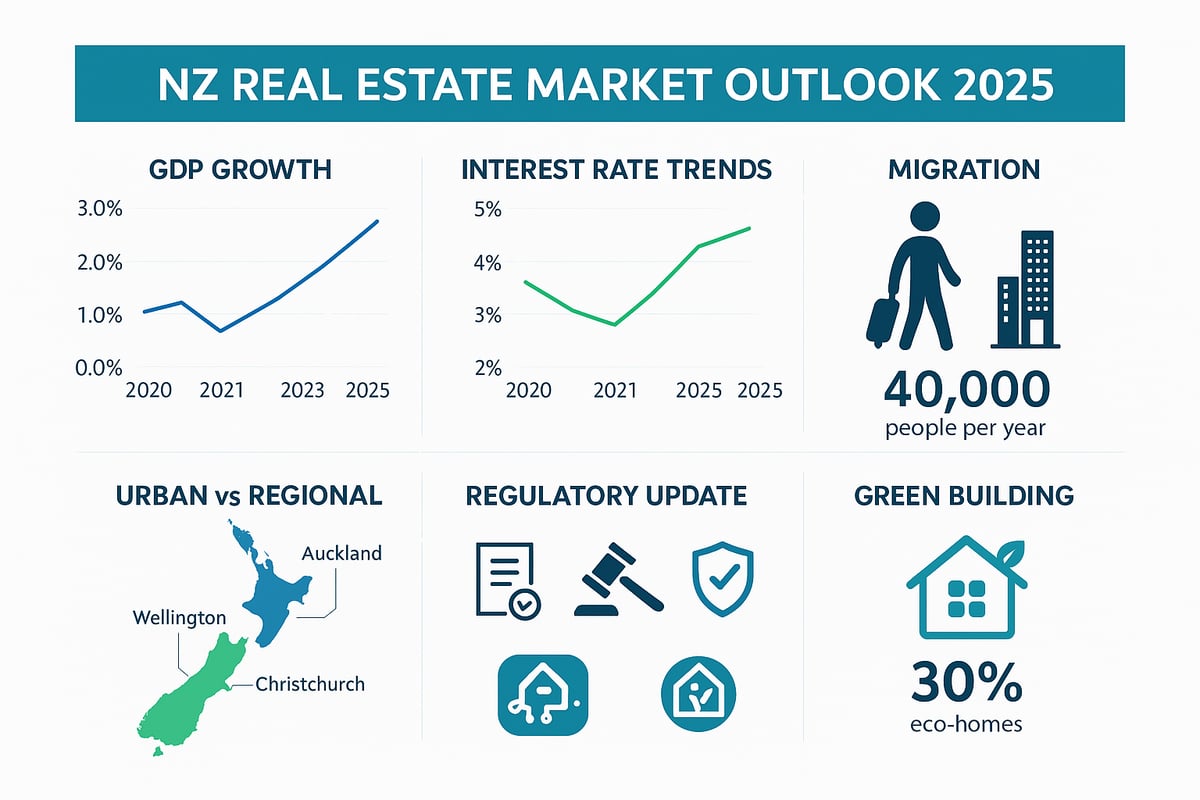
The nz real estate nz market is closely tied to the nation’s economic health. GDP growth and low unemployment rates are bolstering property demand, while New Zealand’s ongoing post-pandemic recovery is restoring consumer confidence. Interest rates, forecasted to ease in 2025, are expected to improve mortgage affordability for many buyers. Migration trends, highlighted by Stats NZ, reveal a steady rise in population, particularly in urban centres like Auckland. Government investment in housing and infrastructure is also stimulating construction and urban development.
For example, Auckland’s population surge is directly fuelling new housing projects and revitalising city suburbs.
Market Trends and Price Forecasts
Market analysts predict moderate but stable growth for nz real estate nz in 2025. Leading agencies such as QV and REINZ expect home values to rise, with urban centres likely to see stronger gains compared to provincial areas. Residential property remains in high demand, while commercial and rural sectors are experiencing selective growth. First-home buyers are more active, supported by improved affordability indexes, though competition remains fierce. Wellington, for instance, recorded double-digit median price growth in 2024, setting the stage for continued momentum.
Rental markets are also tightening, with low vacancy rates pushing rents upward in key regions.
Regulatory and Legislative Updates
Recent changes to tenancy laws are impacting the nz real estate nz landscape. Updates to the Residential Tenancies Act and the introduction of Healthy Homes Standards 2025 deadlines are raising compliance expectations for landlords. Tax policies, including the Bright-line test and interest deductibility rules, are shaping investor behaviour. Ongoing foreign buyer restrictions continue to limit some market segments. In 2024, amendments to landlord obligations further clarified rights and responsibilities, making compliance a focal point for both new and existing investors.
Staying informed on these legislative changes is essential for all market participants.
Technology and Innovation in NZ Real Estate
Technology is transforming the nz real estate nz sector at a rapid pace. Online property platforms and virtual viewings have become standard, providing buyers with greater access and convenience. Agencies are increasingly adopting proptech tools for property management and marketing, while artificial intelligence is streamlining valuation and sales processes. Digital auctions are seeing record participation, especially in major cities, reflecting a shift towards more data-driven decision making.
This innovation is empowering both buyers and sellers to make more informed choices.
Sustainability and Green Building Trends
Sustainability is now a key priority for nz real estate nz stakeholders. There is a marked increase in energy-efficient homes and demand for green certifications. Government incentives are encouraging sustainable construction, and buyers are showing strong preferences for eco-friendly features. Christchurch, for example, is experiencing a boom in eco-home developments, setting benchmarks for other regions. These trends are not only impacting property values but are also influencing the long-term desirability of homes.
Sustainable properties are increasingly seen as wise investments for the future.
Regional Hotspots and Growth Areas
Certain regions stand out as hotspots in the nz real estate nz market for 2025. Tauranga, Hamilton, and Queenstown are experiencing heightened demand, driven by infrastructure projects and lifestyle appeal. Urban markets remain competitive, but provincial areas are attracting attention due to affordability and improved transport links. Northland, for instance, has seen a surge in lifestyle property sales as buyers seek more space and a relaxed pace.
Regional growth is expected to remain strong as migration patterns evolve and new infrastructure comes online.
Step-by-Step Guide to Buying Property in New Zealand
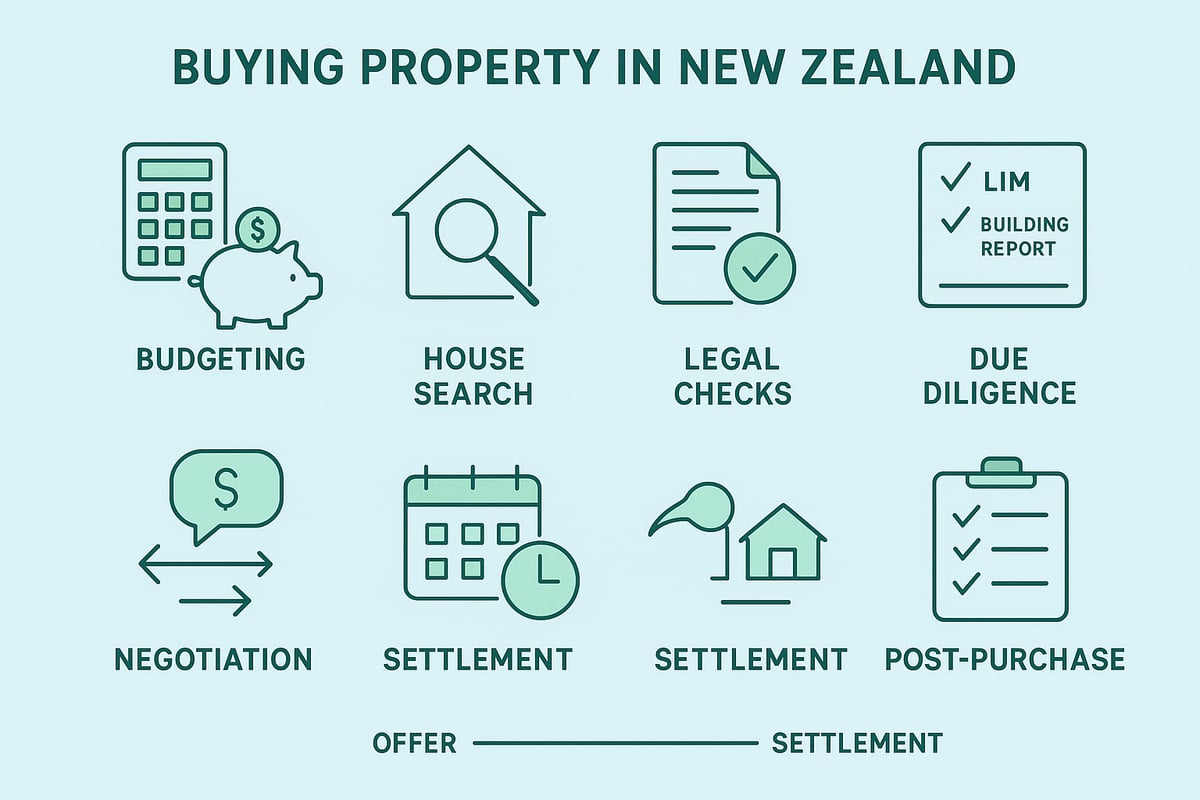
Buying a home or investment property in the nz real estate nz market can seem daunting, but breaking the process into clear steps makes it manageable. Whether you are a first-home buyer, an experienced investor, or relocating, following a structured approach helps you make confident decisions. This guide walks you through each key stage, ensuring you are well-prepared for a successful property purchase.
Step 1: Assess Your Financial Position
Understanding your finances is the foundation of any nz real estate nz purchase. Begin by calculating your available deposit. Most banks require at least 20 percent for existing homes, but some first-home buyers may qualify for lower deposits using KiwiSaver or the First Home Grant.
Next, check your eligibility for mortgage pre-approval. Lenders assess your Loan-to-Value Ratio (LVR), which compares your loan to the property’s value. A strong credit score can help unlock better rates and terms, while a lower score may limit your options.
List of key considerations:
- Minimum deposit requirements
- LVR restrictions
- KiwiSaver withdrawal eligibility
- Credit score impact
Take time to review your income, expenses, and long-term financial goals before starting your property search.
Step 2: Property Search and Due Diligence
Searching for the right property in the nz real estate nz market involves more than browsing listings. Use trusted online portals like Trade Me Property or realestate.co.nz to explore available homes. Engaging a licensed real estate agent provides valuable local insight and access to off-market opportunities.
Due diligence is critical. Request a Land Information Memorandum (LIM) from the council, commission a building inspection, and review the property title. Common issues such as unconsented work or weathertightness problems can surface during inspections.
Checklist for due diligence:
- LIM report
- Building inspection
- Title search
- Council zoning and compliance
For a deeper dive, see this Real estate in New Zealand guide.
Step 3: Making an Offer and Negotiating
Once you find a suitable property in the nz real estate nz market, it is time to make an offer. Properties may be sold by auction, tender, or private treaty. Understand the differences—auctions are unconditional, while tenders and private sales may allow conditions.
In a competitive market, be prepared to act quickly. Conditional offers give you time for finance or inspections, while unconditional offers are more attractive to sellers but carry greater risk.
Negotiation tips:
- Know your maximum price
- Ask for chattels or repairs if needed
- Respond promptly to counteroffers
Consult your agent for guidance on local sales trends and effective bidding strategies.
Step 4: Legal and Regulatory Processes
Legal checks are essential when buying through nz real estate nz channels. Engage a conveyancer or property solicitor early. They will draft and review the Sale and Purchase Agreement, ensuring all terms are clear and compliant.
You must also meet Anti-Money Laundering (AML) requirements. This involves verifying your identity and providing documentation to your agent or lawyer. Sellers have mandatory disclosure obligations, such as revealing known defects or recent repairs.
Key documentation:
- Sale and Purchase Agreement
- AML forms and ID checks
- Disclosure statements
Legal support protects your interests and streamlines the process.
Step 5: Settlement and Handover
After your offer is accepted in the nz real estate nz market, the countdown to settlement begins. Typical settlement periods range from 20 to 40 working days. During this time, arrange finance, complete any outstanding conditions, and conduct a final property inspection.
Use a checklist to ensure all chattels are present, repairs are finished, and utilities are in order. Ownership is transferred on the agreed settlement date, with keys handed over once funds clear.
Settlement timeline:
- Offer accepted
- Final inspection
- Funds transferred
- Keys handed over
Delays can occur due to finance or documentation issues, so keep communication open with your legal and financial teams.
Step 6: Post-Purchase Considerations
Owning a home in the nz real estate nz landscape comes with ongoing responsibilities. Organise insurance immediately to protect your investment. Register with your local council for rates, and set up utility accounts.
Consider renovation plans, but ensure any work complies with the Healthy Homes Standards and building codes. First-home buyers may be eligible for grants or incentives, helping ease initial costs.
Ongoing tasks:
- Home and contents insurance
- Council rates registration
- Utilities setup
- Compliance with healthy homes rules
Staying organised after purchase sets you up for long-term success and peace of mind.
Selling Property in New Zealand: Essential Steps and Strategies
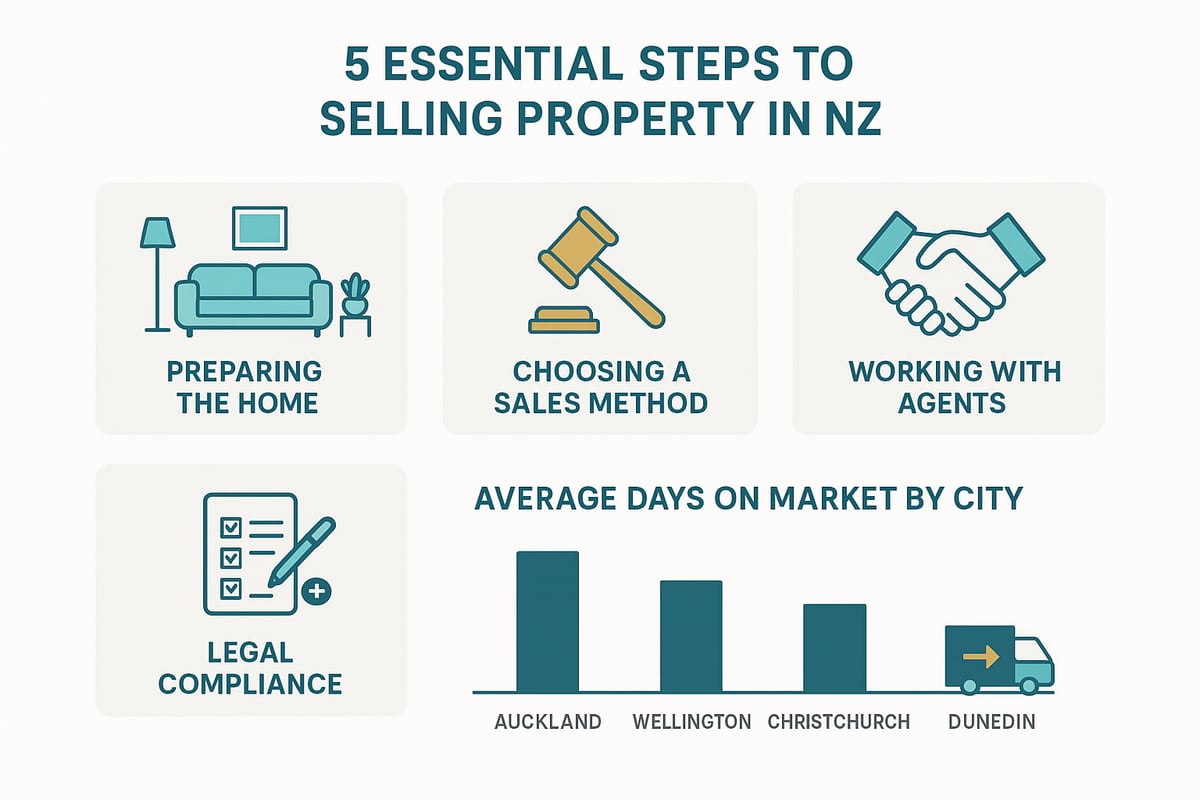
Selling your home or investment in the nz real estate nz market requires a strategic approach and a clear understanding of each step. Whether you’re aiming for top dollar, a quick sale, or a smooth transition, following best practices sets you up for success. Let’s break down the essential strategies every seller should know.
Preparing Your Property for Sale
Presentation is key in the nz real estate nz market. Start with a deep clean and declutter every room. Staging your home can make spaces feel inviting and help buyers imagine living there.
Simple upgrades like a fresh coat of paint, updated light fixtures, or tidy gardens can boost appeal. Focus on kitchens and bathrooms, as minor renovations here often provide the best return on investment. Professional photography and digital marketing ensure your property stands out online, where most buyers begin their search.
Consider a pre-sale building inspection to identify any issues early. This proactive approach reduces surprises and builds buyer confidence. Always be transparent about your home’s condition to avoid problems later in the process.
Choosing the Right Sales Method
There are several ways to sell in the nz real estate nz market, each with its pros and cons. The three main methods are auction, tender, and private treaty.
- Auction: Fast, competitive, and transparent. Works best in high-demand areas like Auckland, where auction clearance rates are strong.
- Tender: Buyers submit their best offer by a set date. Good for unique or high-value properties.
- Private Treaty: The traditional method involving price negotiations with interested buyers.
Discuss these options with your agent and consider what fits your timeline, risk tolerance, and the current market climate. Understanding the differences helps set realistic expectations and achieve your selling goals.
Working with Real Estate Agents
Selecting the right agent is crucial in nz real estate nz. Look for someone licensed under the REAA and with deep local market knowledge. Review recent sales in your suburb and ask for references.
Understand commission structures and what services are included. Some agents offer full-service packages, while others are more hands-off. Local expertise can help you price correctly and reach the right buyers.
Top-performing agencies in Wellington and other regions often have strong digital marketing strategies and established buyer networks. Take time to interview a few agents to find the best fit for your needs.
Legal Requirements and Compliance
Legal compliance is non-negotiable in nz real estate nz transactions. You must provide accurate disclosures about your property, including known defects or unconsented work. The Sale and Purchase Agreement should be prepared by a solicitor or conveyancer.
Meeting Healthy Homes and building code standards is especially important if you’re selling a rental property. For a comprehensive overview of your responsibilities as a landlord, see the Legal obligations of landlords NZ. Failure to comply can result in penalties or delays.
Keep records of any compliance work or upgrades, as buyers will request documentation during due diligence.
Settlement and Moving Out
Once your sale is unconditional, it’s time to prepare for settlement and moving day. Coordinate with your solicitor to finalise paperwork and ensure funds are transferred on time.
Create a checklist for meter readings, utility transfers, and mail redirection. Leave the property clean and remove all personal belongings. A final walk-through with the buyer is common to confirm the home is as agreed.
Be ready for possible settlement delays due to finance or paperwork. Staying organised helps ensure a smooth handover and protects your interests in the nz real estate nz process.
Property Investment and Landlord Guide for 2025
Navigating property investment in nz real estate nz requires a sharp understanding of market dynamics, evolving regulations, and the best strategies for maximising returns. As we look ahead to 2025, investors need to stay agile, informed, and proactive.
Investment Strategies and Opportunities
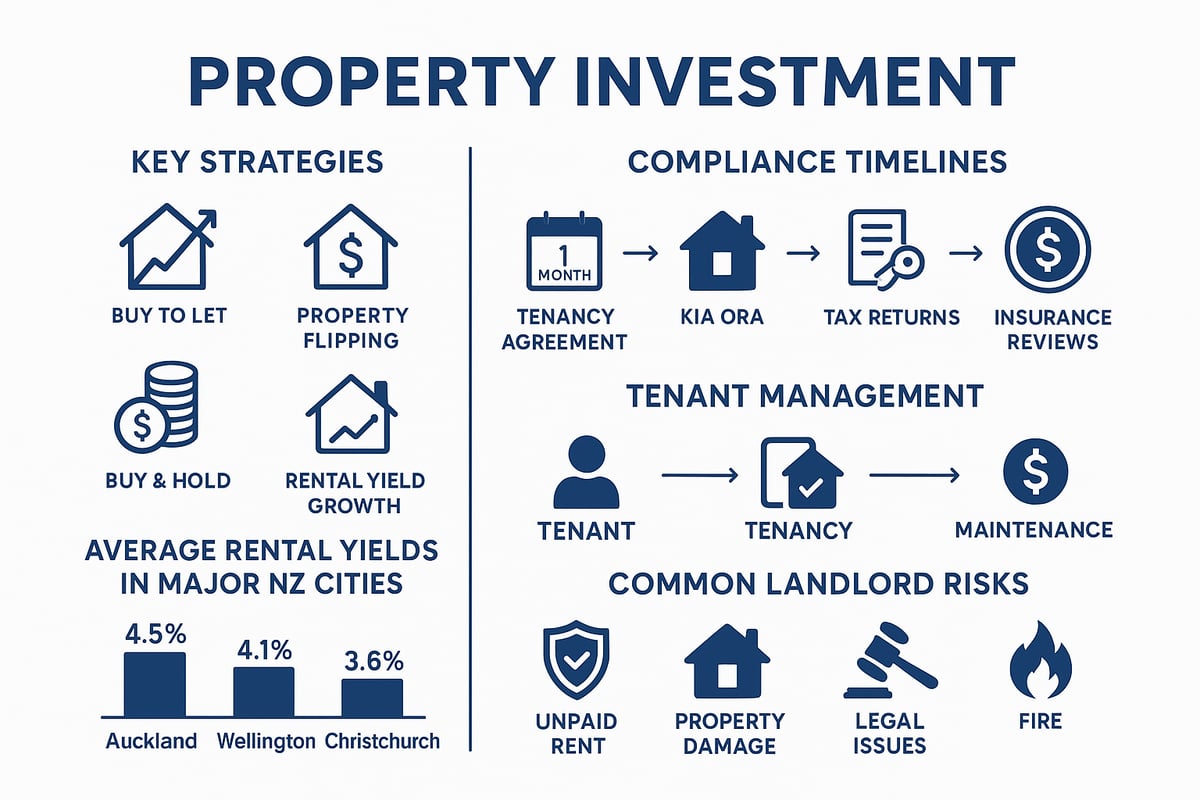
Successful property investment in nz real estate nz begins with choosing the right approach for your goals. Popular strategies in 2025 include buy-to-hold, renovating and flipping, and investing in new builds. Build-to-rent developments, especially in Tauranga, are gaining traction, offering steady income streams and lower vacancy risks.
Diversification remains crucial. Investors are spreading capital across residential and commercial assets to balance returns. Short-term rentals can provide higher yields in tourist hotspots, while long-term rentals offer stability. With nz real estate nz, understanding local market nuances is essential for making informed decisions and adapting to shifting demand.
Understanding Tax and Legal Obligations
Navigating tax and legal requirements is vital for anyone in the nz real estate nz sector. The Bright-line test has been updated, impacting the tax you pay on gains from selling investment properties. GST applies to some new builds and commercial transactions, so proper accounting is critical.
Staying compliant with Healthy Homes Standards and tenancy law helps avoid penalties. Landlords must keep records and declare all rental income, as IRD audits are increasingly common. For detailed guidance on recent legislative changes, see the Important updates to tenancy laws page, which covers the latest regulatory shifts affecting nz real estate nz investors.
Tenant Selection and Management
Effective tenant selection is the cornerstone of successful property management in nz real estate nz. Screening applicants thoroughly, including background and credit checks, minimises risk. Many landlords now use professional property managers, who streamline processes and reduce the likelihood of arrears.
A strong tenancy agreement protects both parties. Bond lodgement with Tenancy Services is mandatory. Referencing past rental history can significantly decrease the chances of payment issues. These steps support better outcomes and peace of mind for nz real estate nz investors.
Rental Market Trends and Yields
Rental yields in major cities like Auckland, Christchurch, and Queenstown remain a focus for nz real estate nz investors. Wellington, for example, has seen a rental shortage drive up prices and reduce vacancy rates. Shifts in supply and demand are expected to continue in 2025, influenced by population growth, migration, and regional development.
New regulations, such as Healthy Homes Standards, may affect rental returns by increasing compliance costs. Monitoring these trends and adjusting investment strategies accordingly is vital for maintaining profitability in nz real estate nz.
Risk Management and Insurance
Landlord insurance is a non-negotiable part of risk management. Policies should cover loss of rent, property damage, and liability. Leading insurers report that claims for accidental damage and rent arrears are among the most common.
Mitigating risk also means planning for vacancies and emergencies. Maintain a contingency fund to cover unexpected costs and ensure compliance with all regulations. This proactive approach safeguards your investment in nz real estate nz and supports long-term success.
Navigating NZ Real Estate Regulations and Compliance
Navigating nz real estate nz regulations can be complex, especially with evolving laws and compliance standards. Whether you are buying, selling, or investing, understanding the legal framework is essential for a smooth property transaction. Below, we break down the key regulatory areas every participant in the nz real estate nz market should know.
Key Laws and Regulatory Bodies
The nz real estate nz sector is governed by several core laws. The Real Estate Agents Act sets out agent conduct and licensing, while the Real Estate Authority (REA) oversees compliance and disciplinary action. Tenancy Services enforces residential tenancy law, and the Building Code ensures property safety and quality.
Recent REA disciplinary actions highlight the need for agents to maintain high standards. Obtaining resource consents is crucial for developments, so always check local council requirements. These frameworks protect both buyers and sellers, making due diligence vital in every nz real estate nz transaction.
Body Corporate and Unit Title Ownership
If you are purchasing an apartment or townhouse, understanding body corporate responsibilities in nz real estate nz is critical. The body corporate manages shared spaces, building insurance, and long-term maintenance. Disputes can arise over fees or upkeep, so clear communication and planning are essential.
Compliance for high-rise apartments, especially in Auckland, often means navigating strict regulations. For a practical overview, see this Body corporates in New Zealand checklist. This guide details what to expect, from AGM requirements to dispute resolution, helping you stay informed in the nz real estate nz landscape.
Healthy Homes Standards and Compliance Deadlines
Healthy Homes Standards have set new benchmarks for rental properties in nz real estate nz. By 2025, all rentals must meet minimum requirements for heating, insulation, and ventilation. Failing to comply can result in substantial fines and enforcement from MBIE.
Landlords must document compliance and be prepared for inspections. According to recent reports, compliance rates are improving, but many properties still need upgrades. Staying ahead of the Healthy Homes deadlines will protect your investment and ensure tenant wellbeing in the nz real estate nz market.
Anti-Money Laundering (AML) and Buyer/Seller Obligations
AML regulations are central to nz real estate nz transactions. Agents, buyers, and sellers must complete identity verification and provide supporting documents before any sale progresses. This process helps prevent financial crime and keeps the market transparent.
In 2024, several AML fines were issued for incomplete paperwork, causing delays in settlements. Prepare all documents early to avoid transaction slowdowns. Understanding AML duties is now a non-negotiable part of any nz real estate nz deal, ensuring compliance and safeguarding your interests.
Regional Insights: Property Hotspots and Local Trends
Understanding regional dynamics is crucial for anyone navigating the nz real estate nz market in 2025. Each area offers unique drivers, from infrastructure investment to demographic shifts. Let’s explore the current hotspots and emerging trends shaping property decisions across New Zealand.
Auckland and Surrounds
Auckland remains the economic hub of nz real estate nz, consistently attracting buyers and investors with its diverse suburbs and ongoing infrastructure projects. The City Rail Link and new housing developments are transforming connectivity and supporting urban growth.
Recent data from the REINZ NZ Property Report February 2025 shows median prices stabilising after previous surges, with South Auckland gaining attention for its relative affordability. Apartments continue to appeal to young professionals, while standalone homes remain sought after by families.
The region’s ongoing population growth and transport upgrades are likely to sustain demand, making Auckland a focal point for nz real estate nz activity in 2025.
Wellington and Lower North Island
Government employment continues to underpin housing demand in Wellington, keeping competition strong in both the central city and surrounding suburbs. Areas like Porirua, Lower Hutt, and the Kapiti Coast are experiencing vibrant growth, driven by improved transport links and lifestyle appeal.
Tight rental markets are a defining feature of nz real estate nz in Wellington. With limited stock and high demand, median rents have risen sharply. Earthquake strengthening requirements and insurance considerations remain top of mind for buyers, influencing property values and investment decisions.
The region’s mix of stable employment and lifestyle options ensures Wellington stays resilient and attractive for property seekers in 2025.
Christchurch and the South Island
Christchurch’s recovery from past earthquakes has paved the way for substantial new build activity and greenfield developments. The city’s urban renewal projects and affordable land supply are drawing families and investors to the nz real estate nz market here.
Queenstown stands out for its luxury property boom, driven by high-end tourism and a growing international presence. Across the South Island, regional migration is boosting demand for both residential and lifestyle properties.
With a focus on sustainable development and community growth, Christchurch and its southern neighbours offer diverse opportunities in nz real estate nz for the coming year.
Emerging Regions and Lifestyle Markets
Tauranga, Hamilton, and Northland are emerging as key growth centres within nz real estate nz, thanks to strong regional economies and a surge in remote working. The Bay of Plenty, in particular, is seeing heightened demand for lifestyle properties, attracting buyers seeking space and coastal living.
Infrastructure improvements, such as upgraded transport corridors and planned housing projects, are making these regions more accessible and desirable. Northland’s lifestyle property sales have surged, reflecting a broader trend towards regional migration.
Looking ahead, these emerging markets are set to play a larger role in nz real estate nz, offering fresh opportunities beyond the main centres.
As you navigate the ever changing landscape of New Zealand real estate in 2025, it is essential to stay ahead with accurate insights, practical advice, and clear answers to your pressing questions—whether you are a buyer, seller, investor, or managing a body corporate. This comprehensive handbook covers everything from regulatory updates and technology trends to step by step guides and regional market hotspots, helping you make confident, well informed decisions. If you are keen to dig deeper into the key shifts and opportunities shaping the property market this year, you can Learn more and access expert resources tailored to your needs.